Loading...
Serving Port St. Lucie, FL and surrounding areas. (772) 281-0094
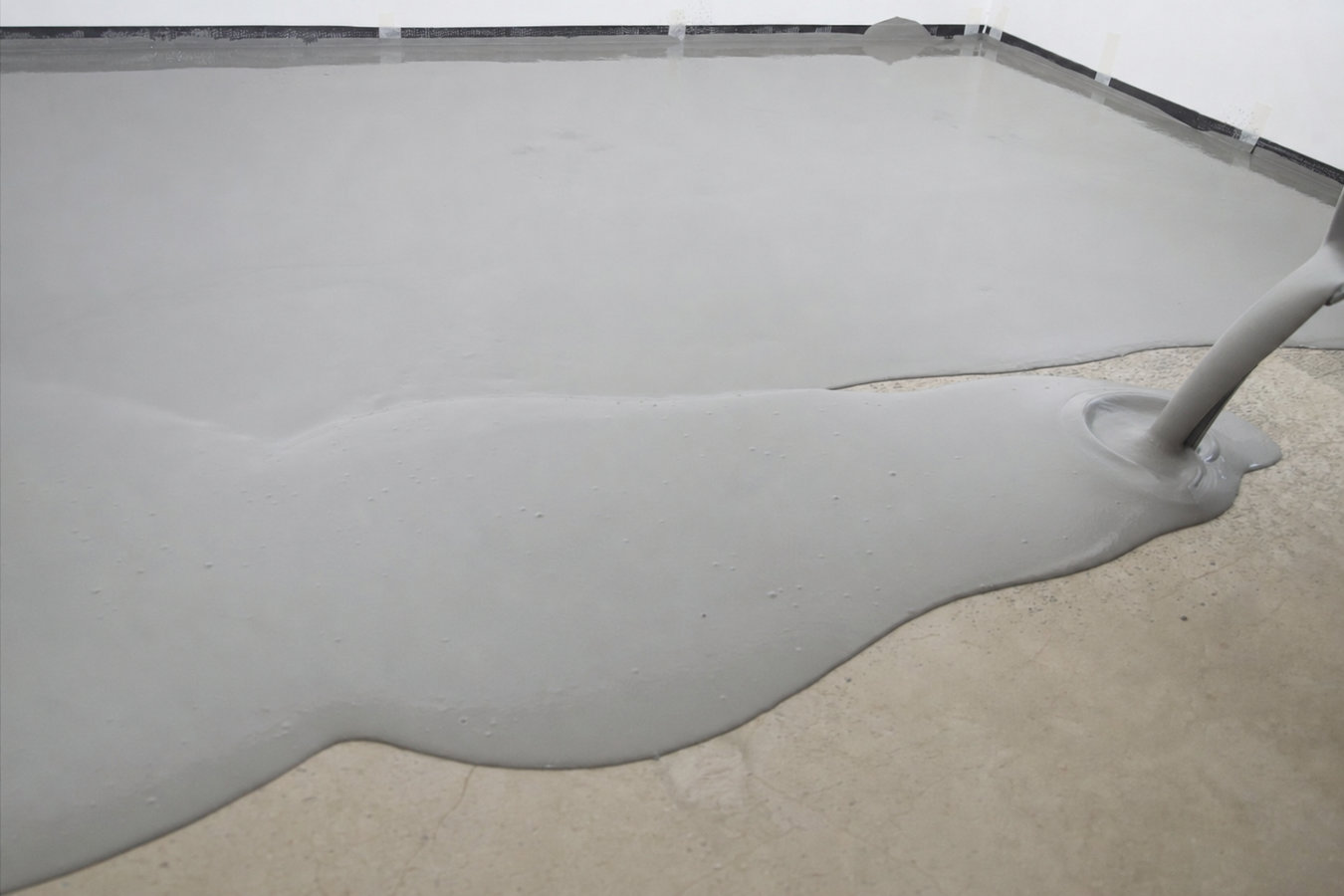
Uneven floors, sunken slabs, and worn surfaces are common in Port St. Lucie homes on sandy soil. Self-leveling concrete fills the low spots, restores a flat surface, and gives you a solid base for new flooring - all without a full demolition.
Self-leveling concrete in Port St. Lucie is a specially mixed material that flows across an uneven floor and settles into a flat, smooth surface on its own - think of it like a thick liquid that finds its own level - and most Port St. Lucie residential jobs are completed in one to three days, with light foot traffic possible within 24 hours of the pour.
Port St. Lucie was built largely on sandy flatwoods soil, and much of the city's housing stock dates from the 1980s and 1990s building boom. Minor ground movement over time is common in this environment, and it shows up as floors with dips, low spots, or slight slopes that were not there when the home was built. Flooring installers - especially those laying luxury vinyl plank or large-format tile - often require a flat surface within a tight tolerance before they will start. Self-leveling concrete is the standard fix when they flag the existing slab.
Overlays are a related but distinct option. Where self-leveling concrete fixes flatness, a decorative overlay adds color, texture, and a finished appearance to a surface that is already structurally sound. Many projects use both: self-leveling first to flatten, then an overlay on top for appearance. If the surface also needs protection from Port St. Lucie's weather, pairing an overlay with our concrete resurfacing and overlays service covers both goals in one scope of work.
If water pools in one corner of your garage or laundry room after mopping, or a marble would roll on its own across the floor, your slab has settled unevenly. This is common in Port St. Lucie homes built on sandy soil, where minor ground movement over time causes a slab to shift slightly. Self-leveling concrete fills those low spots and gives you a flat surface again without tearing anything out.
If you have replaced floor tiles more than once in the same spot, or if your vinyl plank flooring keeps lifting at the seams, the problem is usually the surface underneath - not the flooring itself. An uneven or deteriorating concrete base puts stress on whatever is laid on top. Fixing the base with a self-leveling pour before relaying new flooring is the right sequence.
That white chalky film is called efflorescence, and it means moisture is moving up through your slab and leaving mineral deposits on the surface. In Port St. Lucie, where the water table is relatively high and the soil is porous, this is a common issue - especially in garages and ground-floor rooms. It signals a moisture problem that needs to be addressed before any overlay or new flooring goes down.
Flooring installers - especially for luxury vinyl plank or large-format tile - frequently require the floor to be within a tight flatness tolerance before they will start. If your installer has flagged this, a self-leveling pour is the standard fix. This situation comes up regularly in Port St. Lucie homes being updated after years of wear on the original slab.
Preparation is the single biggest factor separating a floor that lasts from one that fails early. Before any material is poured, we clean the floor thoroughly, repair deep cracks, and apply a bonding primer so the new material sticks properly. If the old surface has oil stains, old adhesive, or surface damage, we address those first - pouring over a poorly prepped floor is the main reason self-leveling and overlay jobs fail within the first year.
Florida's high water table and Port St. Lucie's sandy soil make moisture testing an essential step before any pour - not an optional one. Moisture coming up through the slab can cause the new material to bubble, delaminate, or fail entirely. We test before we start, and if there is a moisture issue we address it first. For surfaces that need a full refresh beyond just leveling - like an outdoor patio or pool area - our pool deck coatings and resurfacing service and our concrete resurfacing and overlays service cover those more specialized needs.
Best for homeowners whose floors have settled unevenly over time and need a flat base before new flooring, tile, or an overlay can be installed.
Ideal for garage floors, laundry rooms, and utility spaces where the slab is sound but the surface looks old, stained, or pitted.
For patios, driveways, and pool decks where homeowners want a refreshed, color-finished surface without the cost and mess of tearing out the existing concrete.
Designed specifically for homeowners installing new tile, luxury vinyl plank, or hardwood who need the existing slab brought to the flatness tolerance their installer requires.
The vast majority of Port St. Lucie homes were built on slab foundations - not raised wood floors - which makes self-leveling concrete and overlays a natural fit for the local housing stock. But slabs in homes built during the city's 1970s to 1990s building boom often have surface issues: old adhesive residue from carpet or tile that was removed, minor settling cracks, or worn-down areas from decades of use. Sandy flatwoods soil - common throughout St. Lucie County - can also allow moisture to move upward through a slab from below, making moisture testing before any pour a critical step here, not a formality. The University of Florida IFAS Extension - St. Lucie County publishes research on local soil conditions and moisture behavior that underscores why vapor testing matters in this specific area.
Port St. Lucie's rainy season - which runs roughly June through September - also affects scheduling. Self-leveling concrete and overlay materials are sensitive to moisture in the air, so experienced local crews often prefer to work in the drier months, or schedule pours for early morning before afternoon storms arrive. Homeowners in HOA communities like Tradition and neighborhoods near Jensen Beach should also confirm with their association before finalizing any color or finish choice for surfaces visible from the street - HOA review can take a few weeks, so it is worth building that into your timeline. Florida also requires concrete contractors to hold a state-issued license, and verifying a contractor's license on the Florida DBPR website takes about two minutes and is always worth the effort before signing anything.
Call or submit a request and we respond within one business day. We do not quote self-leveling work over the phone because the condition of your existing floor matters too much to guess at. We schedule a time to come out, walk the floor, and give you a written estimate before we leave.
The contractor walks your floor, checks for moisture, cracks, old adhesive, and how far out of level the surface is. This visit typically takes 30 to 60 minutes. If moisture testing is needed - and in Port St. Lucie it usually is - we set that up before committing to a pour date.
The crew cleans the floor thoroughly, grinds down high spots, fills deep cracks, and applies a bonding primer. This prep phase often takes as long as the pour itself - do not be surprised if the crew spends most of the morning getting the surface ready. This is where the quality of the job is really determined.
The self-leveling material is mixed and poured - it spreads and settles flat within minutes. If a decorative overlay is part of the plan, it goes on after the base layer cures. Before leaving, we walk you through the curing timeline: typically 24 hours before light foot traffic, 48 to 72 hours before moving furniture back in.
We come out, assess the floor and moisture conditions, and give you a written quote. Most Port St. Lucie jobs are done in one to two days and the room is back to normal fast.
(772) 281-0094In Port St. Lucie, moisture coming up through the slab is the leading reason overlay and self-leveling jobs fail within the first year. We test before we touch your floor - and if there is a moisture issue, we address it first. You will not be left with a peeling, bubbling floor six months after we leave.
Port St. Lucie is almost entirely a slab-foundation city - which means we are not adapting national methods to a different environment. We work on local slabs every day and understand exactly what the soil, age, and climate here does to concrete over time. That local context matters when diagnosing your floor and choosing the right material.
Port St. Lucie's rainy season and afternoon thunderstorm pattern directly affect when outdoor overlay and leveling work can be scheduled safely. We plan jobs around conditions that allow the material to bond and cure properly - not just whatever slot is open on the calendar. Homeowners in communities like Tradition can count on a schedule that respects HOA approval timelines too.
Self-leveling work varies significantly based on floor condition, and a written estimate that breaks down prep, materials, and labor protects you from unexpected charges. The South Florida Water Management District documents how Port St. Lucie's unique soil and water conditions affect construction - we factor those conditions into every quote rather than pricing blind from square footage alone.
Floors in Port St. Lucie face a specific combination of sandy soil movement, moisture from below, and humidity from above - and handling all of that correctly requires more than a generic pour. We bring genuine local experience to every job from the moisture test to the final sealer coat.
Specialized pool deck treatments that handle chemical exposure, wet-dry cycles, and Port St. Lucie's year-round sun - going beyond what a standard overlay provides.
Learn MoreFor driveways, patios, and garage floors that need a fresh appearance and renewed protection - not just a flat base - resurfacing adds the decorative and protective layer on top.
Learn MoreMost self-leveling and overlay jobs are done in one to two days - call today before the summer rainy season arrives and scheduling gets tight.